
In brief
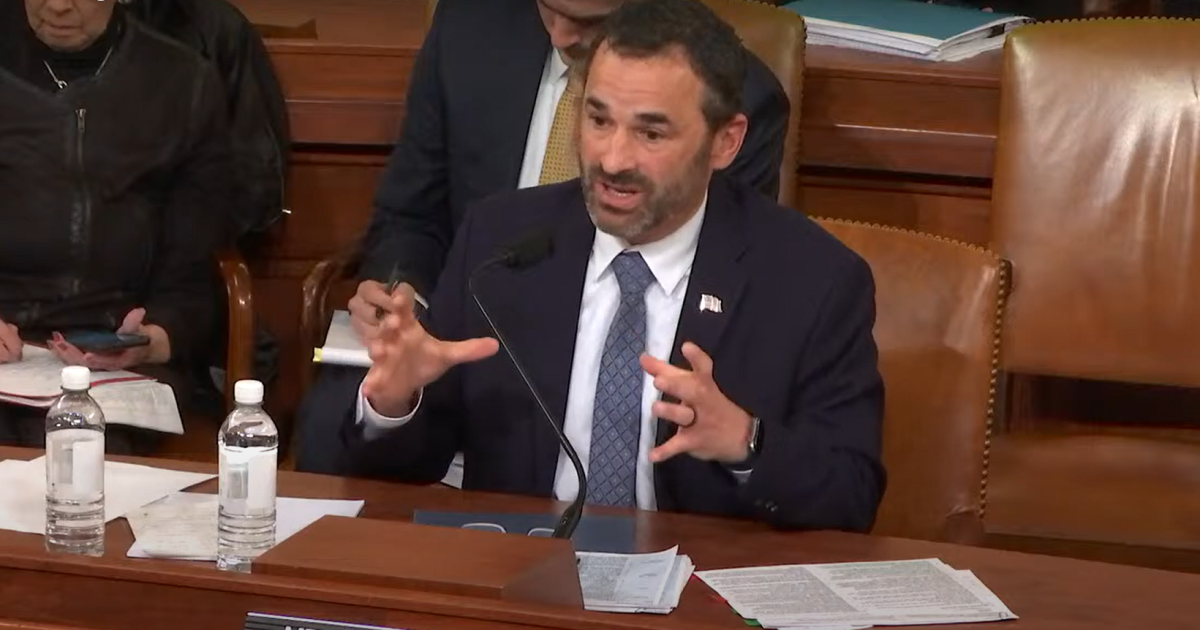
- Former IRS Commissioner Danny Werfel and the AICPA are teaming up to form a new group to advance responsible AI use in both tax administration and practice.
- Use the upcoming CART framework as a 'home base' for due diligence when deploying AI tools in your firm.
- Firms should tighten judgment, documentation, and client communication before clients start asking about the risk.
The tax community is facing a massive technological shift, but there hasn't been a systematic way to evaluate the risks of AI in tax administration and practice until now. To bridge this gap, former IRS Commissioner Danny Werfel is partnering with the AICPA to launch the Council on AI Risk in Tax (CART). This group brings together leaders from accounting, law, technology, government, and academia to establish a framework for responsible AI deployment.
A Living Framework for a Moving Target
Because AI is evolving so rapidly, the group acknowledges that traditional, static standards are impractical in the current climate. Instead, the initiative is built around a 'living' framework—a first version of which was recently authored by Werfel. This framework isn't intended to be a rigid IRS regulation or a FASB standard; rather, it functions more like a sustainability framework. Organizations can choose to adopt it because it serves their specific needs, providing a 'home base' for due diligence. This allows firms to tell stakeholders and CEOs exactly what steps were taken to mitigate risk before moving forward with new tools.
Breaking the Culture of Silence
One of the biggest hurdles to responsible AI adoption isn't just technical—it's cultural. Werfel notes that the accounting industry often suffers from a defensive mindset where firms are hesitant to share information due to competitive concerns. This prevents the community from learning from each other's mistakes. The CART aims to foster an 'intellectual commons' where firms can share lessons learned and identify emerging risks. The goal is to move away from a 'we won't share our innovation' stance toward a collaborative environment where the community benefits from shared knowledge.
Practical Guidance Over Theory
The coalition isn't just interested in high-level theory; it wants to provide practical guidance that practitioners can actually use. This includes practice guides and resources to help firms think through the actual implementation of AI. The group plans to meet four times a year to develop whitepapers, educational materials, and eventually, practice alerts. The framework will be updated annually to ensure it keeps pace with the evolving AI landscape, with a second version expected in about six months.
The Importance of Incremental Gains
Werfel advocates for a 'slow your roll' approach to AI deployment. Rather than trying to overhaul an entire process overnight, he suggests deploying AI incrementally. By taking a smaller segment of a process, firms can still achieve significant efficiency gains—such as reducing a four-week process to three weeks—while having the breathing room to study risks, retrain the workforce, and manage the human element of the transition. This allows for a controlled environment where the risks of hallucination and scope creep can be monitored before full-scale adoption.
Keeping Humans in the Loop
The most critical takeaway from the initiative is the necessity of the 'human in the loop.' While the allure of removing humans from business processes might be tempting to some executives, the risk of doing so is extreme. AI can only be responsibly deployed when it works in concert with human subject matter experts who understand the nuances of the tax domain. While the roles of these professionals will evolve as they work alongside powerful new tools, they will not be replaced. The goal is to ensure that humans remain the ultimate safeguard against the risks inherent in automated systems.
What CPAs Should Watch
Keep an eye out for the second version of the AI tax risk framework, expected in six months. As the CART begins to publish whitepapers and practice alerts, these will serve as a primary source for best practices in AI deployment. Firms should look to these publications as a way to establish a defensible, responsible framework for using AI in their day-to-day tax practice.
